Link to Website Index: 
X-
12th Submarine Flotilla, HMS VARBEL, Port Bannatyne, Isle of Bute.
Operation Source (attack on Tirpitz), Kåfjord, Norway, September 1942.
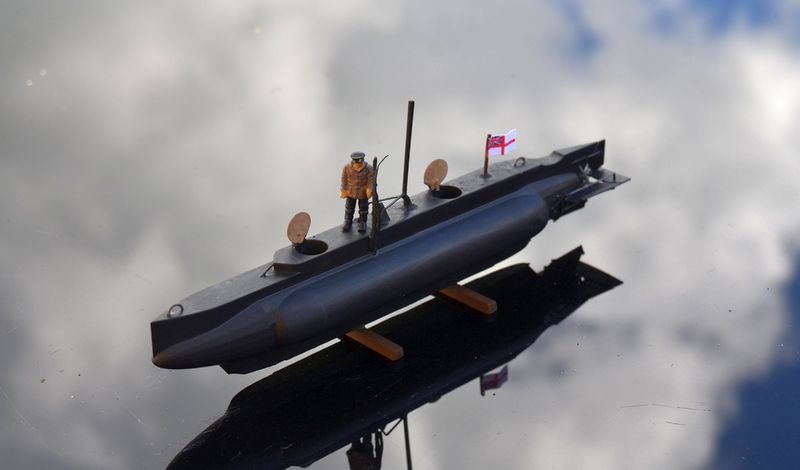
3D Printed 1/72

The Royal Navy introduced the X-
Just over 51 feet long and displacing about 35 tons, they were manned by a crew of
4, including a diver who could exit the submarine whilst submerged to cut boom defence
nets and allow the submarine to enter. Armament consisted of 4 tons of Amatol explosive
carried in 2 saddle tanks attached to the side of the vessel. These would be deposited
beneath the target using a water-
Maximum speed was around 7 knots surfaced and less than 5 submerged. Although they
had a long theoretical range and could remain at sea for up to 14 days, it was normal
for them to be towed to the operating area by a full size submarine. Propulsion
was provided by a 40 hp Gardner diesel charging a large lead-
Based out of HMS VARBEL at Port Bannatyne on the Isle of Bute/Firth of Clyde they
undertook several missions to disable German ships in Norwegian Fjords, the most
famous if which was Operation Source, which disabled the Battleship Tirpitz in Kafjord.
During this mission, 4 X-
Four X-
Later missions included beach surveys for Operation Neptune (the D-
One complete X-
Building an X-
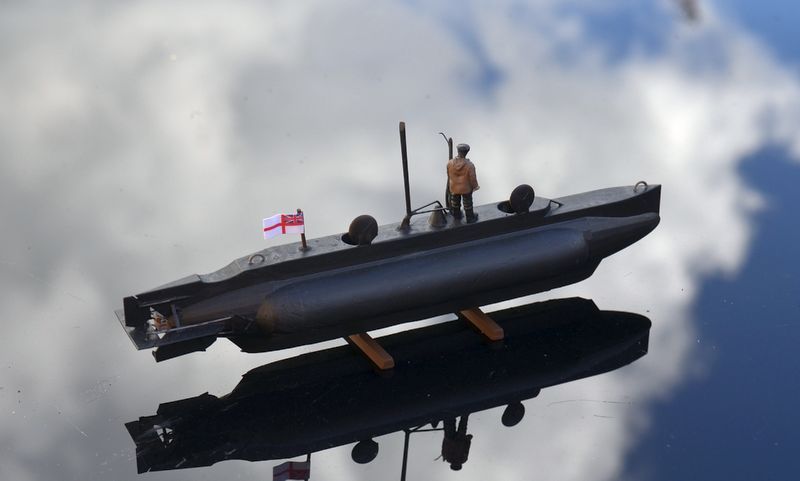
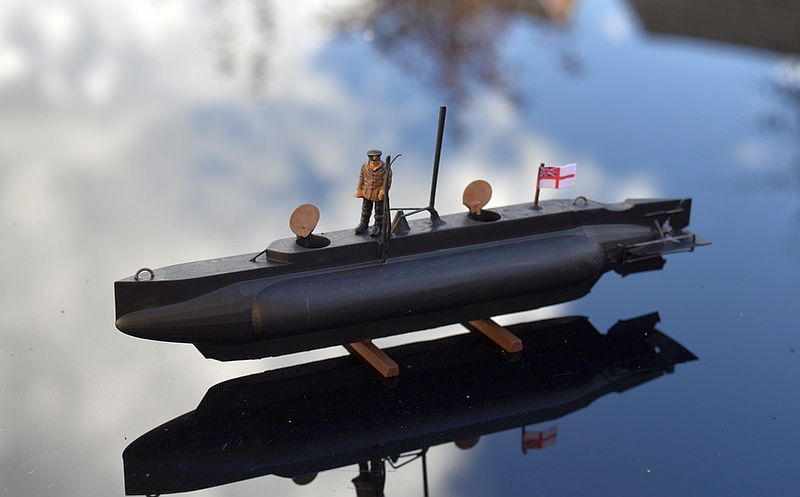
I often find that it’s the casual purchase/side build that gives me most satisfaction, and this is no exception. This was a quick 3d print whilst my SAAB GlobalEye was being painted. It uses a free set of .stl files provide d ia Cults3d by “Bleblet”.
The print was very finely detailed, which did prove a little difficult when scaled down to 1/72, so some details had to be reinstated after printing , using plastic card and rod. As built, the submarine does not carry its two explosive packs, so I assumed it to be alongside and have provided a White Ensign and a Captain figure standing beside the voice pipe. I also added the smaller periscope.
Sitting it alongside the German WW2 Seehund mini-

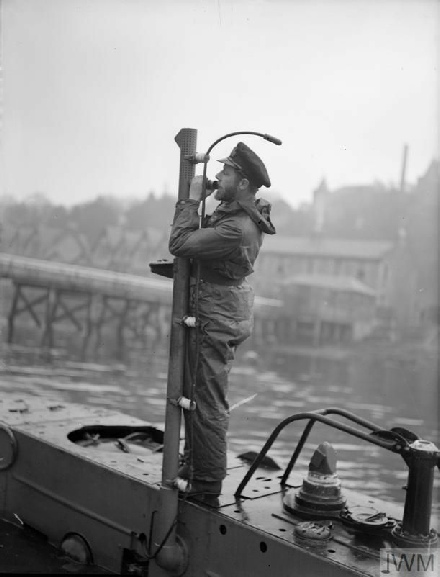
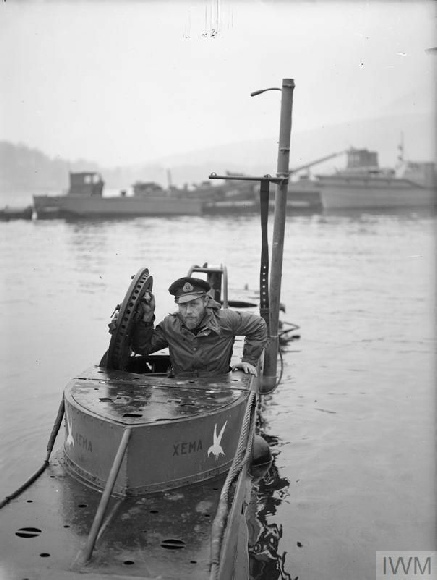
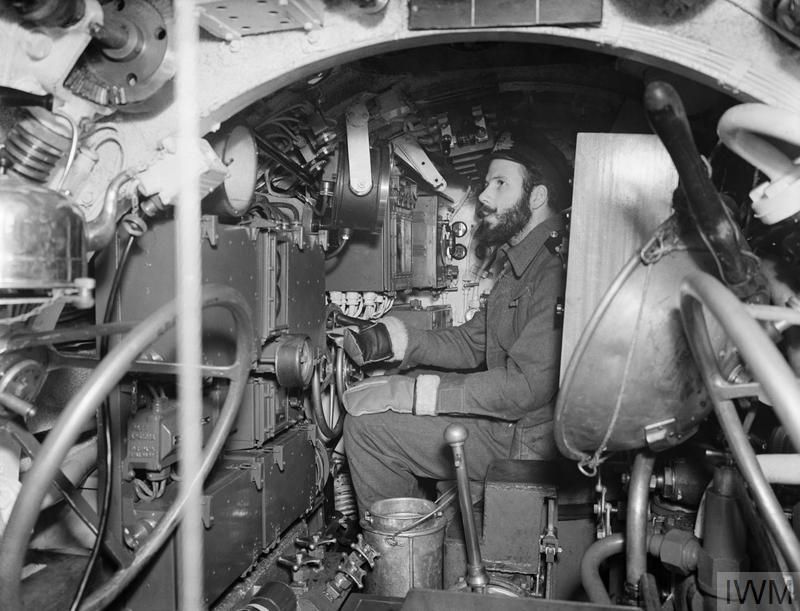
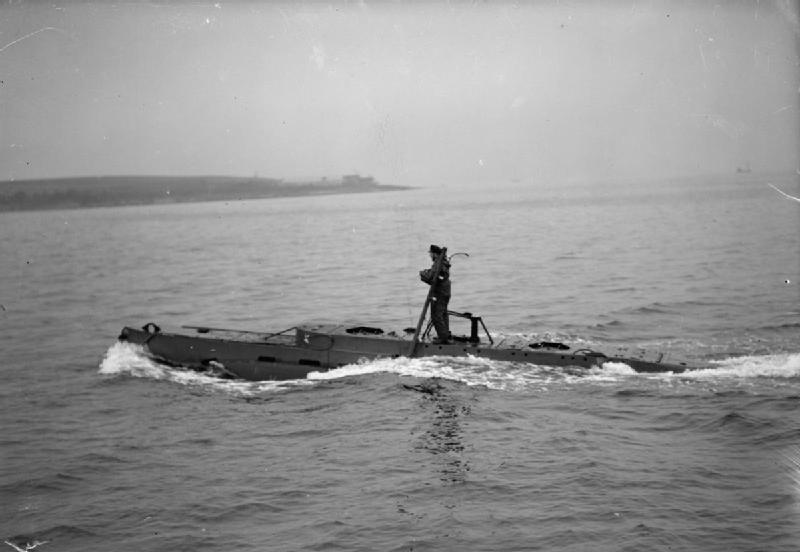
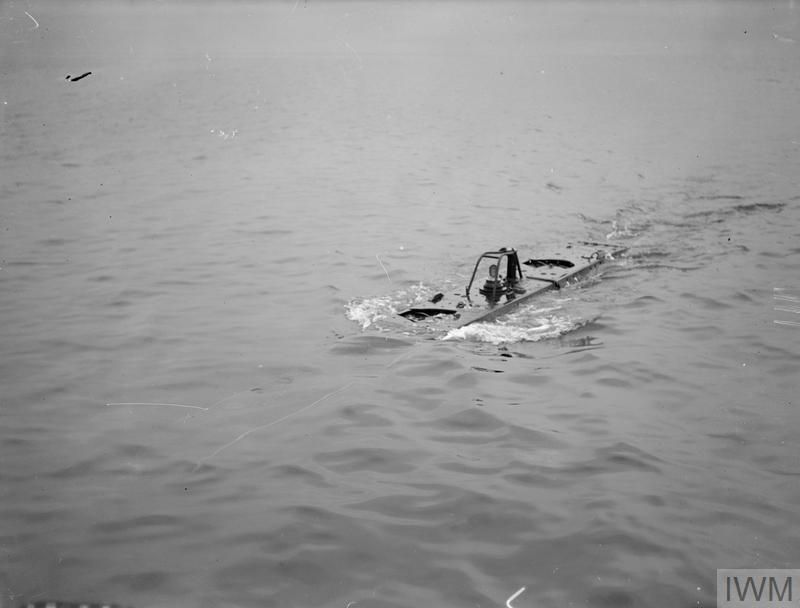
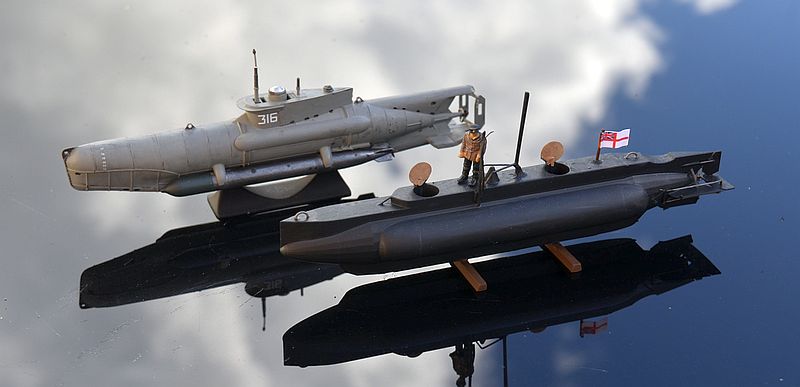
Above: For comparison, a German Seehund mini-
© IWM A22905 -
© IWM_A22903 on the surface at speed off Rothesay on the Firth of Clyde
© IWM_A26933 -
© IWM (A 22905) and (A22907) Lt J E Smart RNVR -
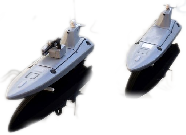
Royal Navy Coastal Forces Squadron & 47 Commando Royal Marines.
Portsmouth/Poole, September 2026.
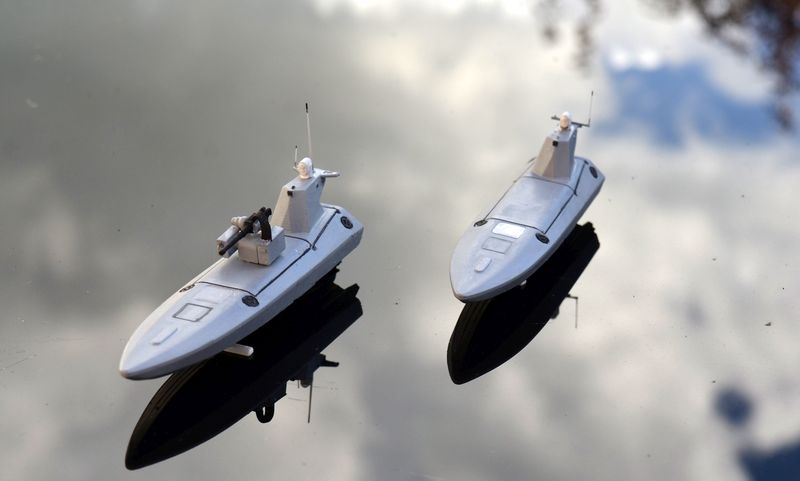
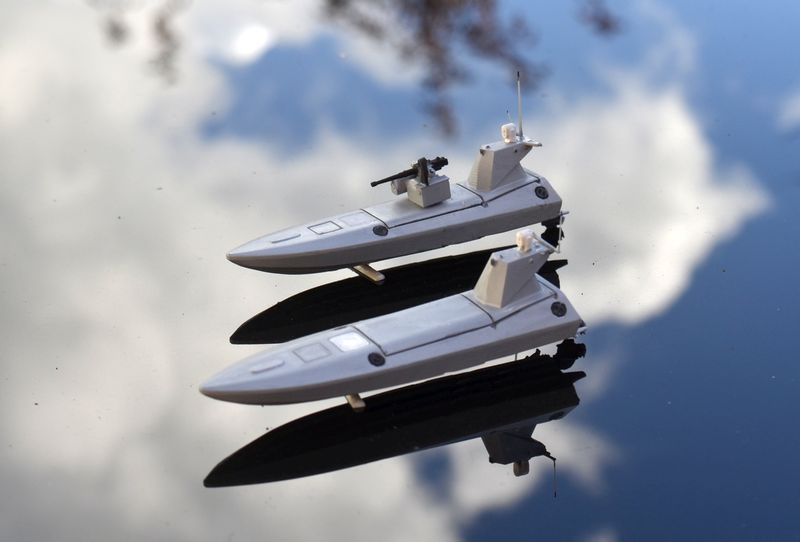
3D Printed 1/72
The Kraken 3 is produced by racing powerboat manufacturer Kraken technologies in Fareham, near Portsmouth. Intended as a flexible technology demonstrator, the RN acquired 20 boats in March 2026 as part of Project “Beehive” and has used them to explore a number of tactical uses for small autonomous/remotely controlled boats. This has included remote control of the vessels over a satellite link from Australia as part of the AUSUKUS activities.
Kraken 3 can carry a payload of up to 600kg and has a maximum range of 650 nautical miles at a speed of 25 knots, with a maximum speed of 55 knots. Endurance is up to 30 days, depending on mission and payload.
The boats are built around a modular payload bay allowing different sensor and mission fits depending on the task. At this stage, the craft are unlikely to be armed (The armed model I have built is pure speculation; although it is within the payload weight, stabilisation might be an issue!), meaning their primary value would be as an ISTAR asset, extending the detection range of the wider force.
.
Link to Website Index:
Text & Images © www.gengriz.co.uk (unless otherwise indicated)
Background -
having been used as a aircraft target in the late 1940s (picture source unknown).